




Clarifying sports context
I need to understand the user’s question in Chinese about leading by 20 points and then being overtaken. It sounds like it's related to a basketball game or possible sports team struggles, but it’s vague without more context on which game or team. I should ask clarifying questions as needed while being concise. I can suggest potential reasons for losing a lead and what data to analyze, like shot charts or opponent adjustments.Suggesting corrective actions
I’m thinking about corrective actions like calling timeouts earlier, attacking the rim, and adjusting defensive strategies. It’s essential to manage minute fatigue while also having an in-game plan, like triggering timeouts for a 6-point run and switching defensive formations. The user might have their own team, so it’s good to ask for more specifics like level and statistics. I’ll write this concisely in Chinese, using bullet points to create an organized list of common reasons, quick diagnostics, and preventive measures.Creating a structured checklist
I’m thinking about keeping 4-6 bullets per section for clarity and avoiding heavy formatting, but using bullet lists is fine. I should include important metrics like pace, shot profile (rim vs. midrange), and turnover percentages, especially live-ball turnovers. It’s also essential to discuss factors such as bench performance and timeout timing. I’ll provide a "kill runs" strategy and mention how complacency can lead to slower play. Finally, I’ll ask a clarifying question about the user’s level and any specific data they have, to better tailor my response.
我先给出通用的“被20分逆转”诊断框架,帮你快速定位问题;有具体比赛/数据我可以再精确到回合级调整。
常见根因
- 进攻失衡:领先后改打慢节奏+单打,三分堆积但没有篮下触球和罚球,导致空位质量下降、长篮板被打反击。
- 失误与防守转换:连续活球失误或强行出手,引发对手一波流的快攻/早攻。
- 篮板与体能:防守端卡位松、二次进攻丢分;主力高负荷导致末节对抗下降、脚步慢一步。
- 防守对策滞后:对手改变挡拆点名/五外拉开,你仍用原有覆盖(如依旧掉追、低位不夹击),被连续针对。
- 轮换与对位:同时下两位持球核心,场上没有稳定推进和“止血点”;劣势对位没及时换人/夹击。
- 暂停与执行:对手得分潮未及时止血;暂停后战术(ATO)命中率低,边线/底线战术未拿到高质量出手机会。
如何快速定位(赛后5分钟清单)
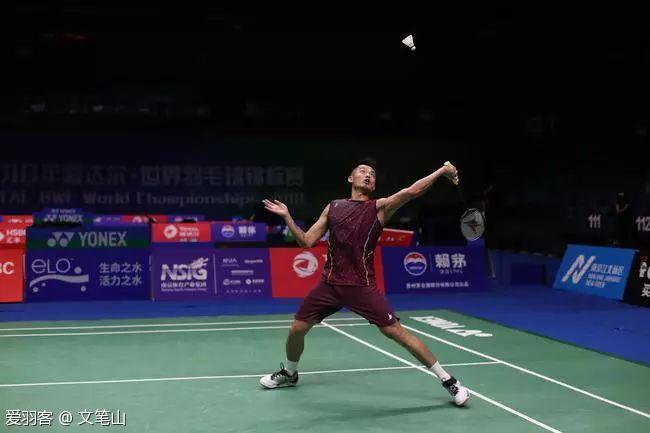
- 分段数据:看被反超那10–15分钟的节奏(PACE)、失误率(TOV%)、防守篮板率(DREB%)、罚球率(FT Rate)和对手快攻分。
- 出手结构:篮下+罚球占比是否骤降、是否堆低效中距离、被对手投进多少底角三分。
- 关键回合录像:连续3个失误或被打转换的回合;对手连续同一战术得分(如高位PnR点名你家小个/慢脚)。
- 阵容/对位:那段时间场上5人组合的净胜分、哪位被点名最多、是否缺少一名稳控或护筐人。
- 暂停与换防:得分潮开始到第一次暂停的间隔;暂停后首回合是否有“内线触球/造犯规”的设计。
比赛内“止血”包(教练和场上指挥用)
- 立即触球到内线或深突分:连着两回合要么吃到禁区,要么制造犯规;宁要两次稳两分也别赌高难三分。
- 调整节奏与失误零容忍:取消提前三分和投机长传,回到高成功率的手递手+短挡拆。
- 临时防守变化:2回合联防或包夹对手最热点;PnR从掉追改上抢/换防,底角提前收缩。
- 轮换微调:上一个防守稳定器(能卡位/能指挥换防),或上一个稳控控球;避免“双核同歇”窗口。
- 暂停时机:对手6–8分小高潮直接叫;暂停后第一球跑既定ATO拿到“高命中模板球”。
预防与训练
- 领先期脚本:领先15+后使用“控险”战术包(低失误高期望回合)和“保护转换”的板凳组合。
- 指标红线:连丢2个防守篮板或2次活球失误直接触发换人/暂停;每节至少2回合必达篮下/罚球。
- 末节体能管理:第三节后半开始预留主力气力,避免末节开场即短疲劳窗。
- ATO与底线球库:准备3–4个高成功率止血战术,含错位吃饼、45度手递手反切、底角电梯门。
- 情绪与犯规:用战术制造对方核心第4犯/第5犯,减缓其防守强度,顺便打断其气势。
如果你能提供:
- 比赛级别(NBA/CBA/校队等)、对手风格
- 关键时段的技术统计或回合视频时间轴
- 场上常用阵容和防守覆盖习惯
我可以给出更精确的回合级调整建议和两套适配你的人员配置的“止血战术包”。
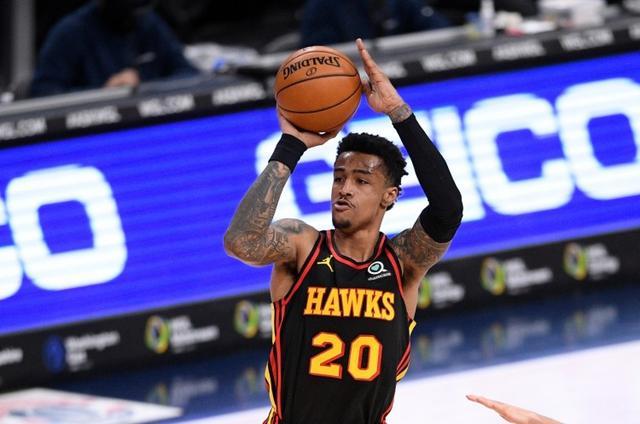
Copyright 2024 C7娱乐(中国)官方网站 - 全球领先的在线娱乐品牌 All Rights by c7娱乐